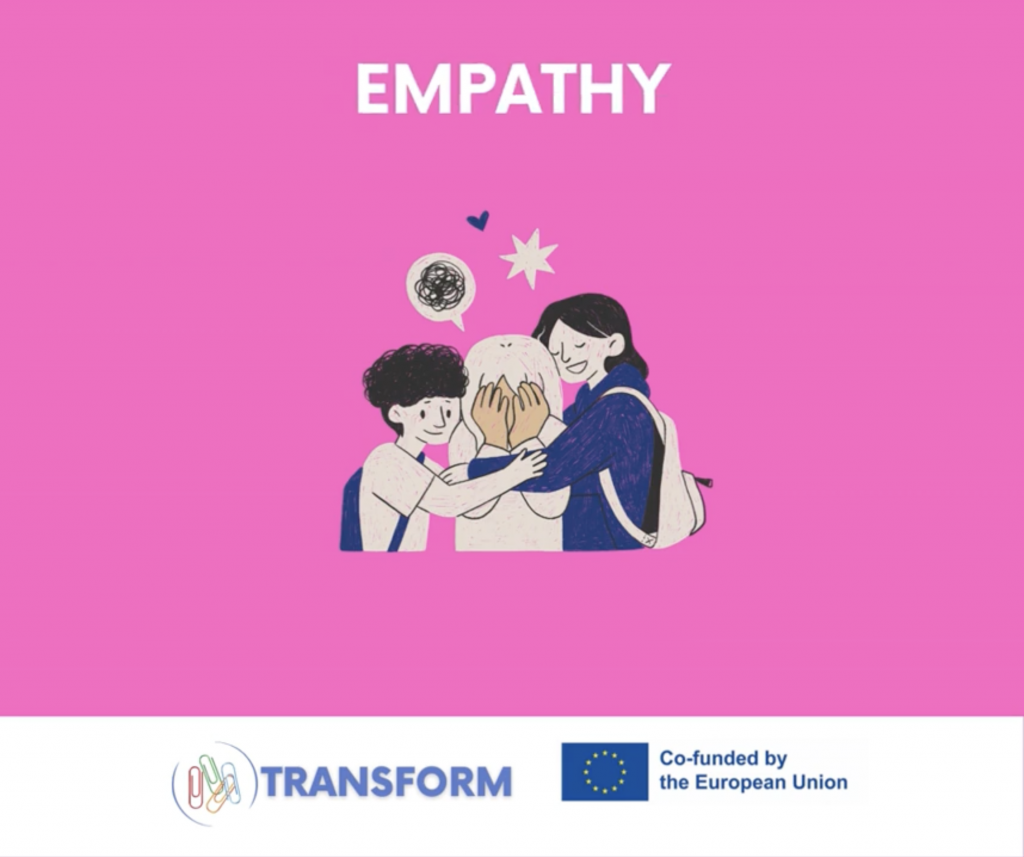
Knowing your own emotions, reactions and biases so you can build trust, stay calm and create a safe space for migrant learners and people in vulnerable situations.
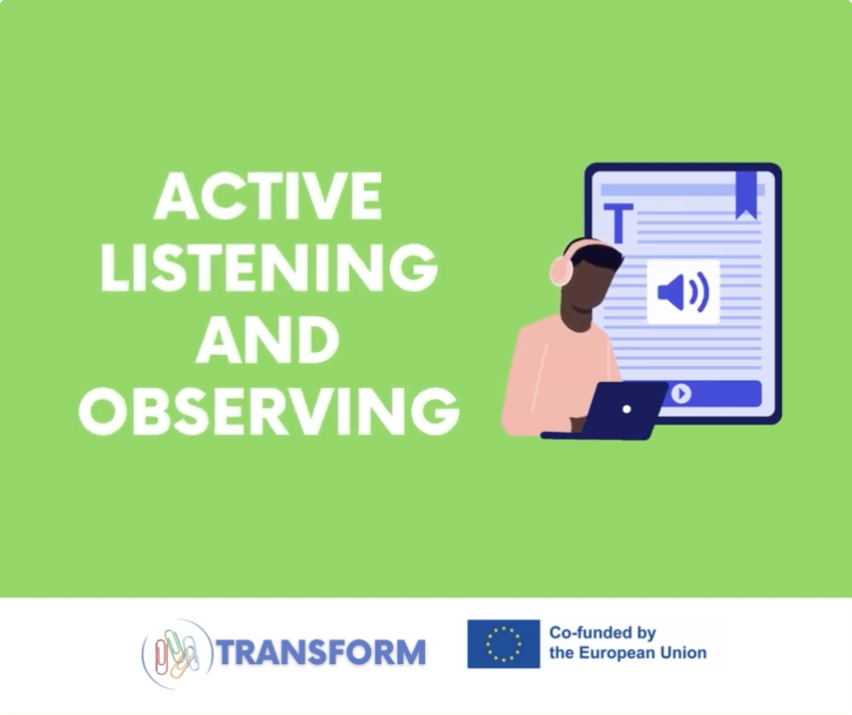
Not just hearing, but really being present: noticing body language, asking good questions and reflecting back what the person says so they feel heard and can think things through.
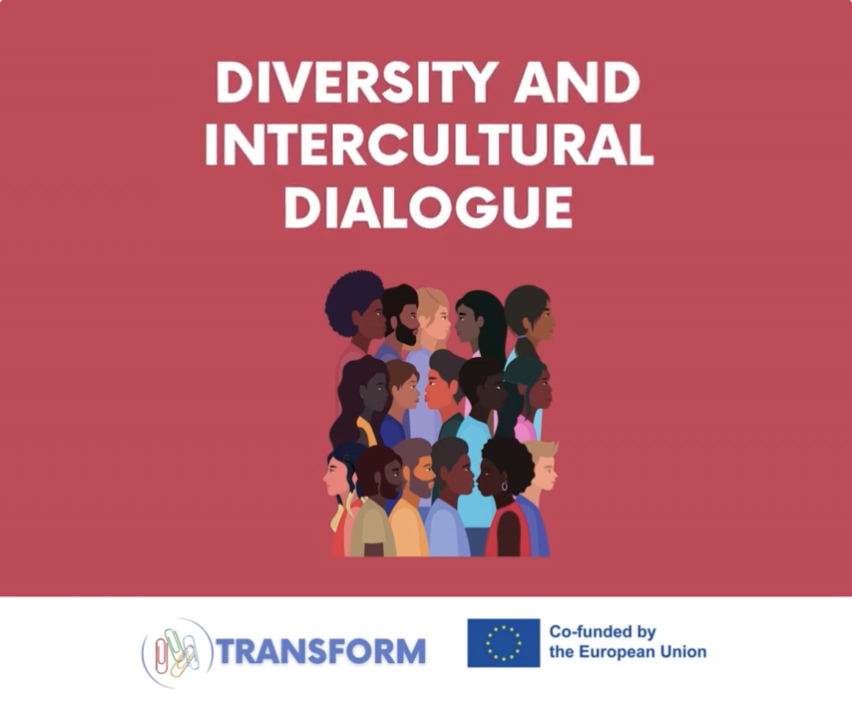
Seeing culture as a meeting point: understanding differences, avoiding stereotypes and adjusting your communication so everyone feels respected and welcome.
Using learners’ cultures as a resource: adjusting methods, handling conflict respectfully and working with families and communities so each student can grow from who they are.